Hosted By

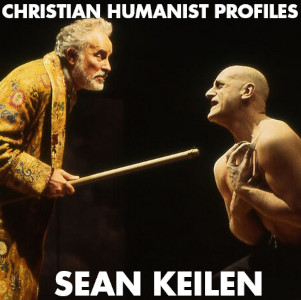
For Americans, in the twenty-first century, the first association between Shakespeare and schools is obvious: we read Shakespeare in school. Whether we’re thinking of the ubiquitous Romeo and Juliet unit in ninth grade, later high-school tragedies, or perhaps even a play or two in college, in our moment the Bard shows up in school, and then some might go and see a play in a theater. In Shakespeare’s own time, plays were entertainment, the things that law students went to hear when they weren’t reading for the bar. And in both moments, along with many moments in between, Shakespeare’s comedies and tragedies themselves feature characters who are former students, would-be teachers, and other educational figures. Sean Keilen’s book Shakespeare’s Scholars: Three Lessons from the Liberal Arts journeys from stage to school and back a few different ways, and Christian Humanist Profiles is glad to welcome him to the show.
David Grubbs interviews Jeffrey Niehaus about his recent book "When Did Eve Sin? The Fall and Biblical Historiography."

Walter Brueggemann did not only teach me to read the Bible: he taught me to read. In the twenty-two years since I first read...
Heather Ordover and Nathan Gilmour, in another Craft Lit/Christian Humanist Profiles crossover, interview Bryan Doerries about Theater of War and his other projects bringing...